Coal-Based Activated Carbon Guide for Industrial Water and Gas Treatment
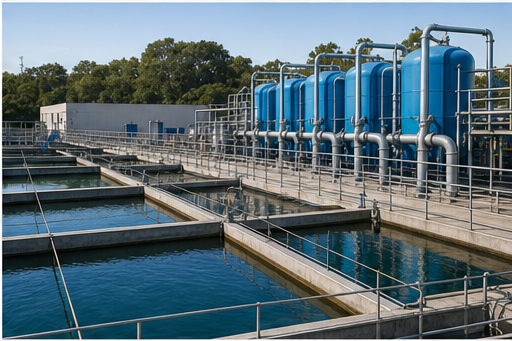
Coal-based activated carbon is widely used in industrial purification because it can provide stable adsorption performance, practical cost control, and multiple particle size options. It is commonly reviewed for industrial water treatment, wastewater polishing, air purification, and gas-phase adsorption. Like every activated carbon material, it must be matched to the application, equipment, and specification requirements.
This guide explains how B2B buyers can evaluate coal-based activated carbon for technical and procurement decisions.
What coal-based activated carbon is used for
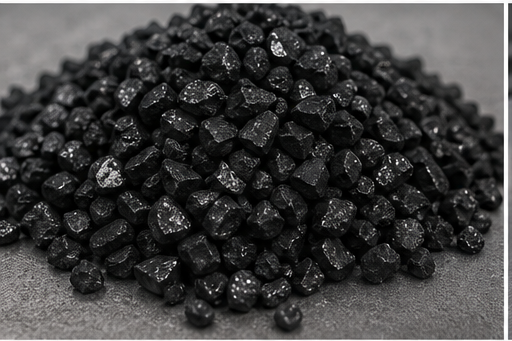
Coal-based activated carbon is produced from selected coal raw material through carbonization, activation, crushing, screening, and packaging. It can be supplied as granular, powdered, or columnar grades depending on the process route. The pore structure can support adsorption of a wide range of organic compounds in water and gas systems, but the final performance depends on grade, contact time, operating condition, and contaminant profile.
Common use cases include industrial water treatment, wastewater polishing, air purification, and VOC treatment. For product details, review coal-based activated carbon.
How it compares with coconut shell carbon
Buyers often compare coal-based carbon with coconut shell activated carbon. Coconut shell grades are often associated with high hardness, low ash, and micropore adsorption. Coal-based grades can offer broader pore distribution and cost-effective performance for many industrial applications. Neither material is automatically better for every project.
The best choice depends on contaminant size, water or gas condition, required service life, budget, and documentation needs. For some water treatment projects, coconut shell may be preferred. For industrial wastewater or gas-phase applications, coal-based granular or columnar grades may be practical. Sample testing is recommended when the process is important.
Granular, powdered, and columnar coal-based grades
Coal-based granular activated carbon is commonly used in fixed-bed systems. It can support water polishing, process water, and some gas applications. Coal-based powdered activated carbon may be used for dosing, emergency treatment, and decolorization where rapid contact is needed. Coal-based columnar activated carbon is often used in gas adsorption systems because pellet shape can reduce dust and pressure drop compared with irregular particles.
Review related product forms: granular activated carbon, powdered activated carbon, and columnar activated carbon.
Key specifications to review
Important coal-based activated carbon specifications may include iodine value, methylene blue value, ash, moisture, hardness, particle size distribution, bulk density, pH, and pellet diameter for columnar grades. The right values depend on the application. For water polishing, particle size and contact time are important. For wastewater color or organic removal, methylene blue or sample testing may be helpful. For gas treatment, pressure drop and humidity conditions should be reviewed.
Ask for a technical data sheet and a batch COA. The COA should match the ordered grade and agreed specification range. See quality control for the batch review approach.
Application-specific selection notes
For industrial water, coal-based granular carbon can support removal of organic compounds, odor, and process impurities depending on system design. For wastewater, it can be used as polishing media after biological or chemical treatment, but pilot testing is often useful because wastewater streams vary. For VOC adsorption, columnar coal-based carbon may support lower pressure drop and easier bed design. For food or drinking water, buyers should confirm whether the selected grade and documents fit the project requirements.
Do not assume a coal-based grade is suitable for every target. Provide influent data, target result, flow rate, bed design, and current media details if available.
Packaging and handling
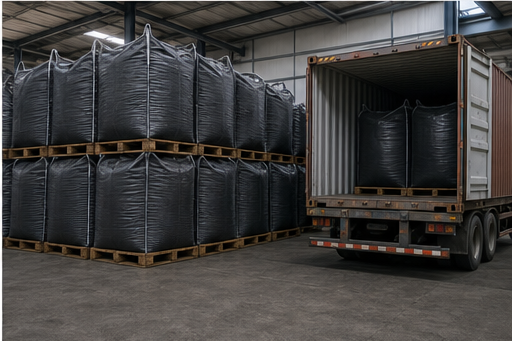
Coal-based activated carbon can be packed in 25 kg bags, jumbo bags, or palletized export packages. Because dust and fines affect handling and pressure drop, buyers should ask about screening and dust control. For columnar grades, confirm pellet diameter and breakage risk during transport. For granular grades, confirm particle size distribution and whether backwashing will remove excess fines before service.
Packaging details should be confirmed before order: bag weight, inner liner, pallet structure, label, batch number, and container loading. YRD describes export packing support on the factory capability page.
Procurement checklist
Before buying coal-based activated carbon, prepare the application, contaminant type, flow rate, particle size, required specification, quantity, packaging, and sample request. Ask the supplier to explain the recommended grade and provide realistic performance assumptions. For critical treatment systems, test samples before bulk purchase and confirm the batch COA before shipment.
YRD can review industrial water, wastewater, air, and VOC requirements and recommend a suitable coal-based or alternative activated carbon grade. Send project details through the contact page.