Coconut Shell Activated Carbon Guide for Water, Air, and Gold Recovery Buyers
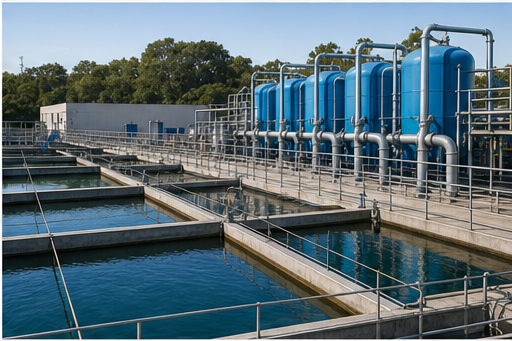
Coconut shell activated carbon is often selected when buyers need high hardness, low ash, and strong micropore adsorption. It is commonly reviewed for drinking water polishing, process water, air purification, solvent vapor adsorption, food and beverage purification, and gold recovery circuits. The best grade is not chosen by material name alone. Buyers should compare the application, particle size, iodine value, ash, moisture, hardness, and the operating conditions of the adsorption system.
This guide explains how to evaluate coconut shell activated carbon from a factory procurement point of view. It is written for importers, distributors, water treatment contractors, plant engineers, and industrial buyers who need stable quality and clear technical communication before bulk orders.
Why coconut shell carbon is used in high-control adsorption projects
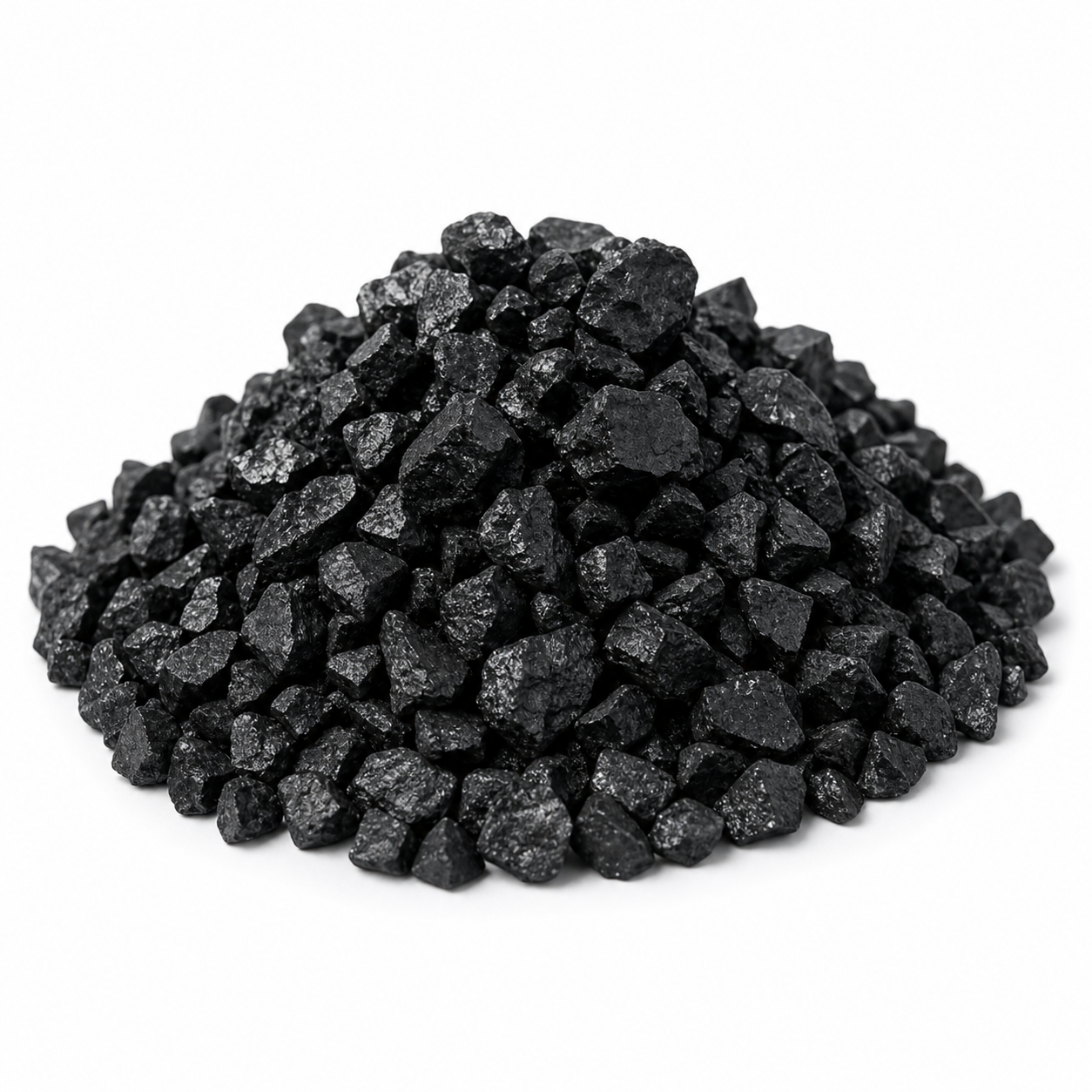
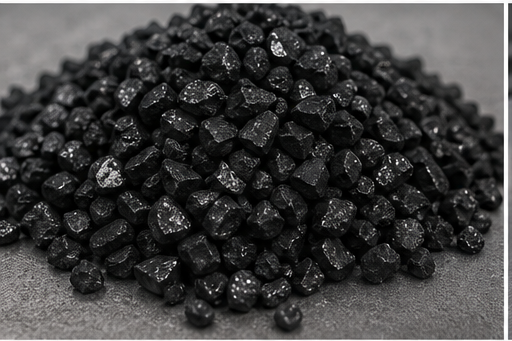
Coconut shell carbon is produced from dense coconut shell charcoal. After activation and screening, it can provide a hard granular structure with a well-developed micropore range. This pore structure can support adsorption of low molecular weight compounds, taste and odor compounds, chlorine by-products, and certain dissolved organics. Selection still depends on the real water or gas composition, contact time, concentration, temperature, humidity, and bed design.
Compared with some coal-based grades, coconut shell carbon can offer lower ash and high abrasion resistance. These properties can be useful when buyers want lower dust, cleaner handling, and stable performance in fixed-bed systems. For gold recovery, hard coconut shell granular carbon is commonly reviewed because mechanical strength and controlled particle size help reduce carbon loss in movement through the circuit.
Match the grade to the application before comparing price
Many procurement problems happen when the buyer only asks for a high iodine number. Iodine value is useful, but it is not the whole specification. A drinking water project may need low ash, low leachable impurities, and clean packaging. A VOC system may need a grade that balances adsorption capacity and pressure drop. A gold recovery circuit may focus on hardness, particle size, and adsorption/desorption behavior. Food and beverage applications may require additional compliance review and sample confirmation.
Start with the use case and then compare grade options. For product overview, review YRD activated carbon products. For a direct product page, see coconut shell activated carbon. If the project is not limited to coconut shell material, compare it with granular activated carbon and coal-based activated carbon.
Key specifications buyers should request
A reliable request should include more than one number. Ask the factory to confirm iodine value, methylene blue value when relevant, ash, moisture, hardness or abrasion resistance, bulk density, particle size distribution, pH, and packaging. For water treatment, also ask whether the grade has been used for similar liquid-phase systems. For air or VOC adsorption, pressure drop and humidity tolerance may be important. For gold recovery, hardness and particle size control should be reviewed carefully.
The certificate of analysis should be matched to the actual batch when possible. A general brochure can help with pre-selection, but the batch COA is more useful before shipment. YRD explains batch review and testing flow on the quality control page.
Particle size and bed design matter
Common coconut shell activated carbon particle sizes include 6×12, 8×16, 8×30, 12×40, and other screened ranges. Larger particles can reduce pressure drop but may reduce adsorption rate in some liquid systems. Smaller particles can improve mass transfer but may increase pressure drop and backwash loss. The correct size depends on column diameter, flow rate, contact time, backwash design, and the target contaminant.
If you are replacing media in an existing vessel, provide the current mesh size, bed depth, flow rate, and service life. If it is a new system, share the influent data, expected effluent target, and contact time. The factory can then recommend whether coconut shell carbon, coal-based granular carbon, or a blended approach should be tested.
Packaging, dust, and export handling
For bulk purchasing, packaging is part of quality control. Buyers should confirm 25 kg bags, 500 kg jumbo bags, palletized packaging, inner liner requirements, export marks, and container loading expectations. Dust level should also be discussed, especially for clean water plants, food processing, and gas-phase systems where handling dust can create operational problems.
Before confirming an order, ask for bag photos, label format, batch number format, and loading support. YRD describes production and packing support on the source factory capability page.
Common buyer mistakes to avoid
Do not select coconut shell activated carbon only because the iodine value is high. Do not assume every coconut shell grade is suitable for drinking water, food, gold recovery, or VOC service. Do not compare only FOB price without checking ash, moisture, hardness, particle size distribution, and packaging. Do not skip sample testing when the target contaminant or process condition is critical.
A better procurement workflow is to define the application, request a recommended specification range, test a representative sample, confirm the batch COA, and then approve bulk packaging. For application-specific starting points, review activated carbon applications, including drinking water treatment, air purification, VOC treatment, and gold recovery.
Request a factory recommendation
To request a quote, send your application, target contaminant, flow rate, particle size requirement, quantity, packaging preference, and any existing specification. YRD can review whether coconut shell activated carbon is the right option or whether another grade may be more suitable. Contact the factory team through the contact page for specification review and sample discussion.