Activated Carbon Supplier Buyers Guide: Quality, Specs, and Factory Support
An activated carbon supplier should help buyers reduce technical and delivery risk. The right supplier can translate application data into a suitable carbon form, provide a realistic specification range, arrange samples, confirm packaging, and support batch documentation. The wrong supplier may only compete on price and leave the buyer responsible for every technical decision.
This guide explains how to compare activated carbon suppliers for industrial procurement, including product matching, COA review, packaging, lead time, and communication quality.
Define the treatment problem before asking for price
The first supplier question should not be only “What is your price per ton?” Activated carbon is selected by application. Water polishing, municipal water, industrial reuse, air purification, solvent vapor adsorption, food purification, and gold recovery each have different priorities. A supplier needs to know the target contaminant, flow rate, concentration, operating condition, and current media if any.
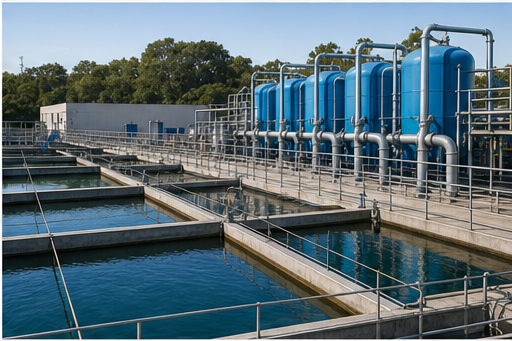
Use the applications overview to identify the treatment path. For water-related projects, review drinking water, industrial water, and wastewater polishing. For gas-phase projects, review air purification and VOC treatment.
Compare product range and recommendation logic
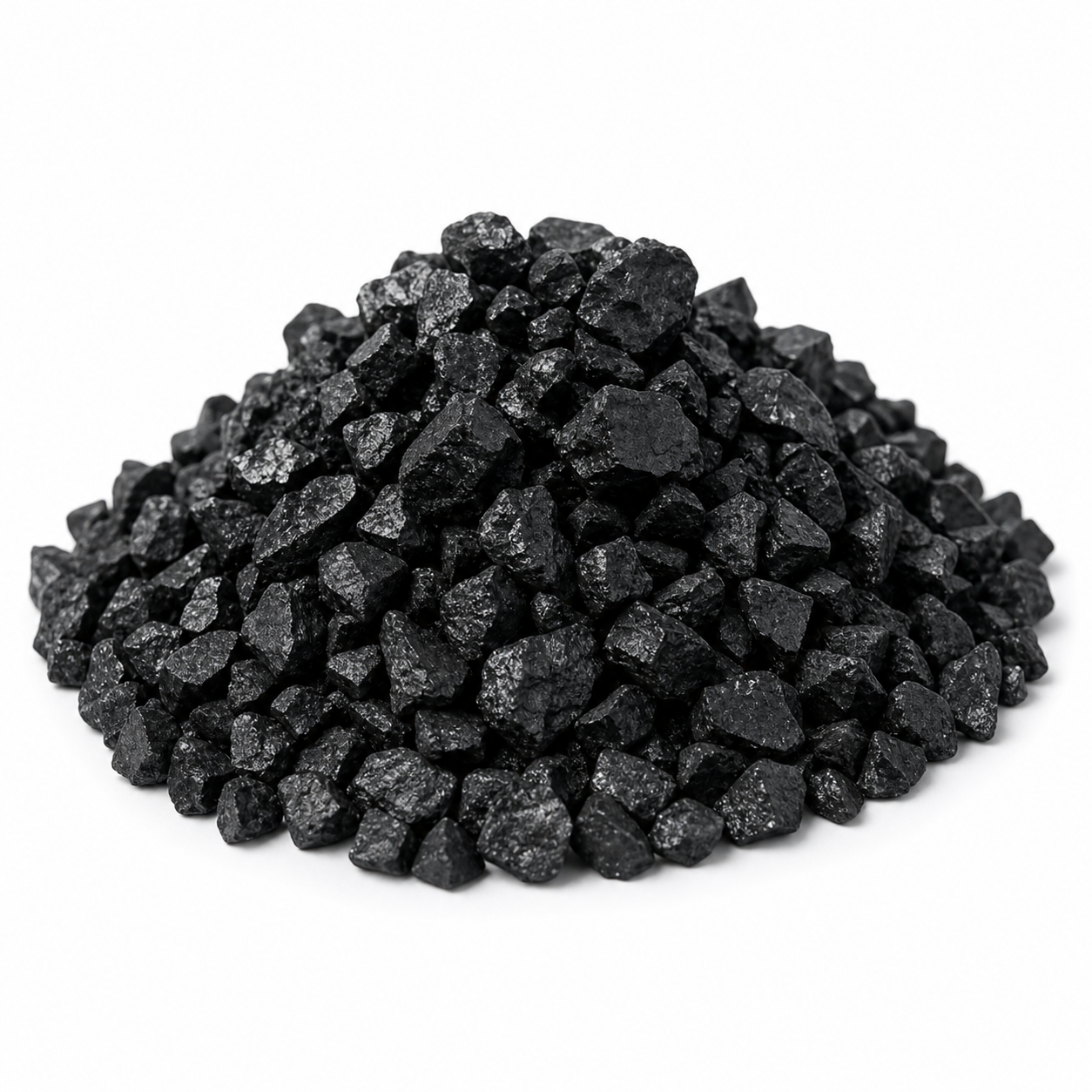
A useful supplier should explain why a grade is recommended. Granular activated carbon can support many fixed-bed liquid and gas systems. Powdered activated carbon is commonly reviewed for dosing and rapid contact. Columnar activated carbon may support gas adsorption with lower pressure drop. Coconut shell carbon and coal-based carbon should be compared by application and specification, not only by raw material name.
If a supplier recommends the same product for every request, ask for the technical reason. A strong supplier will ask questions and may offer multiple options for sample comparison.
Check the key quality documents
The most common documentation request is a certificate of analysis. The COA should match the ordered grade and, when possible, the actual batch. Buyers may also ask for technical data sheets, safety information, packaging details, and inspection photos. For regulated applications such as food or drinking water, additional compliance requirements should be confirmed by the buyer and end user before order approval.
Quality documents are only useful when they connect to an agreed specification. Ask the supplier to confirm iodine value, ash, moisture, hardness, particle size, bulk density, and any application-specific index. YRD’s quality control page explains the type of batch-controlled language buyers should expect.
Evaluate sample support and testing guidance
Supplier sample support should include more than sending a small bag. The supplier should identify the grade, particle size, approximate specification range, and intended application. Buyers should test samples under realistic conditions and compare them against current media, target removal, pressure drop, and handling requirements.
For wastewater and VOC applications, lab or pilot tests are often important because process streams can vary. For replacement projects, record the current carbon type, size, bed depth, service life, and failure point. This information helps the supplier recommend a closer replacement or an improved option.
Confirm packaging before purchase
Packaging affects cost, handling, warehouse storage, and customer acceptance. Ask whether the supplier can provide 25 kg bags, jumbo bags, pallets, inner liners, custom labels, and export marks. Confirm the number of bags per pallet, pallet wrapping, container loading quantity, and whether documents will show the correct product name and batch number.
For distributors, label control is especially important. For end users, bag strength and clean handling may be more important. Packaging should be part of the quote comparison, not a last-minute request.
Watch for price-only supplier risk
A very low offer can hide moisture, inconsistent particle size, high dust, weak hardness, unclear origin, or unsuitable grade selection. Buyers should compare total value: specification fit, sample result, batch documentation, packaging, communication, and delivery reliability. A cheaper shipment that fails in service can cost more than a stable grade with a slightly higher unit price.
Ask suppliers to state the assumptions behind the quote. If the price is based on a broad grade range, confirm whether the actual order will meet the target specification. If the supplier cannot provide clear answers, treat the order as higher risk.
Build a clear RFQ
A strong RFQ includes application, target contaminant, current media, desired particle size, key specification, monthly or order quantity, packaging, destination, and sample needs. For water treatment, include flow rate and influent data when available. For air or VOC treatment, include gas composition, temperature, humidity, and bed design. For gold recovery, include circuit type and carbon movement conditions.
YRD can review RFQ details and recommend a product route from the activated carbon product range. Send requirements through the contact page for factory quotation and sample discussion.