Buying Activated Carbon Online: What B2B Buyers Should Verify Before Ordering
Buying activated carbon online can be convenient, but B2B buyers should not treat it like a simple commodity purchase. Activated carbon must match the application, equipment, specification, packaging, and quality documentation. A product listing may show a high iodine value or attractive price, but it may not explain whether the grade is suitable for your water, air, food, wastewater, or gold recovery project.
This guide explains what to verify before ordering activated carbon online from a factory or supplier.
Verify the supplier behind the listing
Online listings can be posted by factories, trading companies, distributors, or unknown resellers. The buyer should understand who will be responsible for product selection, documentation, packaging, and after-sales communication. A factory-direct supplier can often answer technical questions about grade selection, batch control, and packaging. A reseller may still be useful, but buyers should confirm how technical questions and quality issues will be handled.
YRD positions its website around source factory communication. Buyers can review factory capability and quality control information before sending an RFQ.
Do not rely on one specification number
Many online offers promote iodine value because it is easy to compare. Iodine value is useful, but it does not define the full performance of activated carbon. Particle size, ash, moisture, hardness, bulk density, pH, dust, and pore distribution can all affect the result. The same iodine value may perform differently in different applications.
Ask for a full technical data sheet or batch COA. For water treatment, confirm particle size and contact time. For VOC adsorption, confirm whether the grade is suitable for gas-phase use. For powdered carbon dosing, ask about mesh size and dispersion. For gold recovery, hardness and size control can be very important.
Match the online product to the application
Before ordering, decide which application you are solving. Drinking water treatment may require clean handling and low impurity risk. Wastewater polishing may require testing for COD, color, odor, or trace organics. VOC treatment requires gas-phase review. Food and beverage purification may require additional compliance checks. Gold recovery commonly reviews hard granular carbon.
If the online page does not explain the application fit, ask the supplier for a recommendation. Do not buy a random activated carbon grade only because it is available for quick shipment.
Compare product types before payment
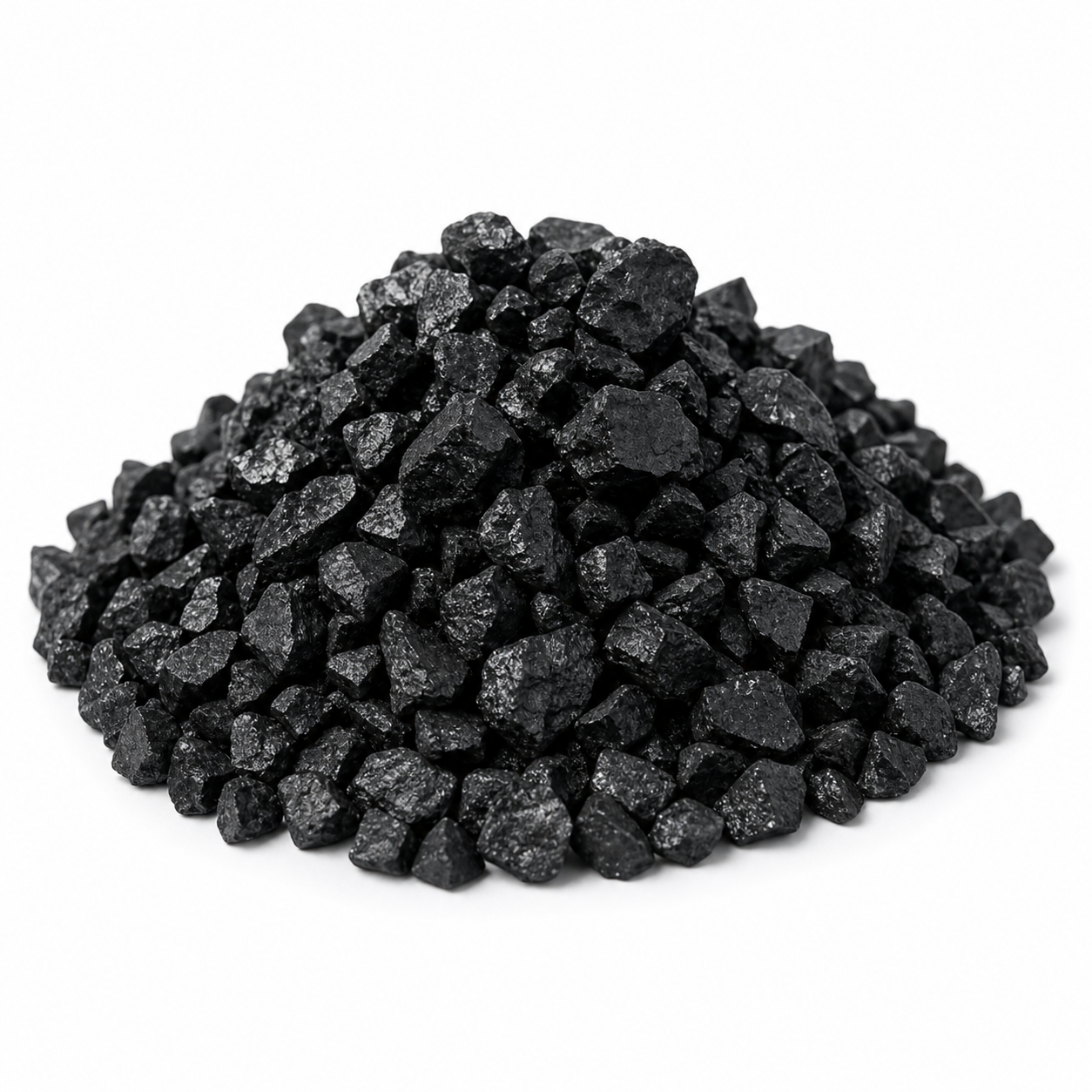
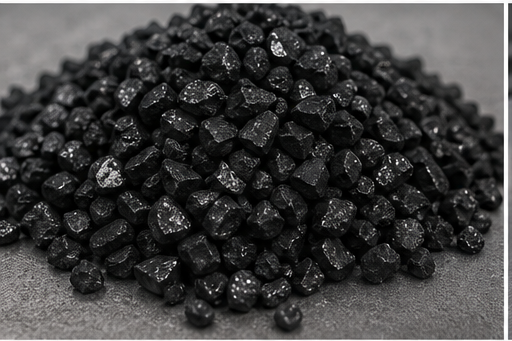
Activated carbon product names can be confusing. Coconut shell activated carbon is often associated with high hardness and micropore adsorption. Coal-based activated carbon can support many industrial water and gas projects. Granular activated carbon is a common fixed-bed form. Powdered activated carbon is commonly used for dosing. Columnar activated carbon is often reviewed for gas adsorption systems.
Ask the supplier to explain why the offered type is suitable for your equipment and target contaminant. If the explanation is generic, request a sample and test before buying in bulk.
Check packaging and shipping details
Online orders may not clearly state packaging. For B2B orders, confirm bag weight, jumbo bag size, palletization, label details, inner liner, container loading, and export documents. Packaging affects handling cost, warehouse storage, customer delivery, and product protection. A low product price can become less attractive if packaging does not match the buyer’s needs.
Ask for packaging photos and confirm whether custom labels or pallet requirements are possible. For repeat orders, consistent packaging can be as important as the carbon specification.
Request samples before bulk orders
For serious industrial use, sample testing is the safest way to verify fit. Ask the supplier to provide the sample grade name, particle size, and typical specification. Test under conditions close to your process. For fixed-bed systems, monitor pressure drop and breakthrough. For dosing applications, monitor dosage, contact time, settling or filtration, and treatment result.
After a sample passes, ask the supplier to confirm that the bulk shipment will match the approved grade and agreed specification range. Keep written records of the sample code and quotation.
Watch for unrealistic claims
Be careful with online claims that promise universal removal, guaranteed performance in every process, or certification without documentation. Activated carbon performance depends on contaminant type, concentration, contact time, competing substances, temperature, humidity, pH, and equipment design. A responsible supplier will explain assumptions and recommend testing where needed.
If a project has regulatory or safety requirements, the buyer should verify documentation before purchase. The supplier can provide available documents, but final compliance approval depends on the target market and end use.
Use online buying as the start of technical communication
The best online buying process is not one-click purchasing. It is a structured RFQ: application, target contaminant, carbon type, particle size, specification, quantity, packaging, destination, and timeline. Use the website to identify product options, then contact the factory for confirmation. Review activated carbon products and send project details through the contact page for a factory recommendation.