How to Evaluate Activated Carbon Manufacturers for Industrial Procurement
Choosing an activated carbon manufacturer is not only a price decision. Industrial buyers need stable specification control, reliable communication, clear packaging, and the ability to match a carbon grade to the application. A low unit price can become expensive if the shipment has high dust, inconsistent particle size, unclear batch data, or a grade that does not match the treatment objective.
This guide helps distributors, engineering companies, water treatment contractors, and plant procurement teams evaluate activated carbon manufacturers before sample approval or bulk purchase.
Start with application capability, not a product list
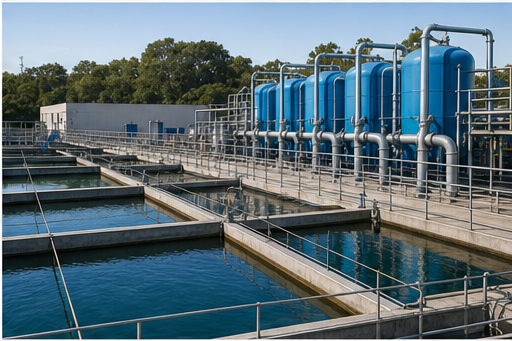
A capable activated carbon manufacturer should understand where the carbon will be used. Water treatment, wastewater polishing, air purification, VOC adsorption, food purification, and gold recovery do not always use the same material, particle size, or quality index. A supplier that only sends a catalog may not be enough for a technical procurement project.
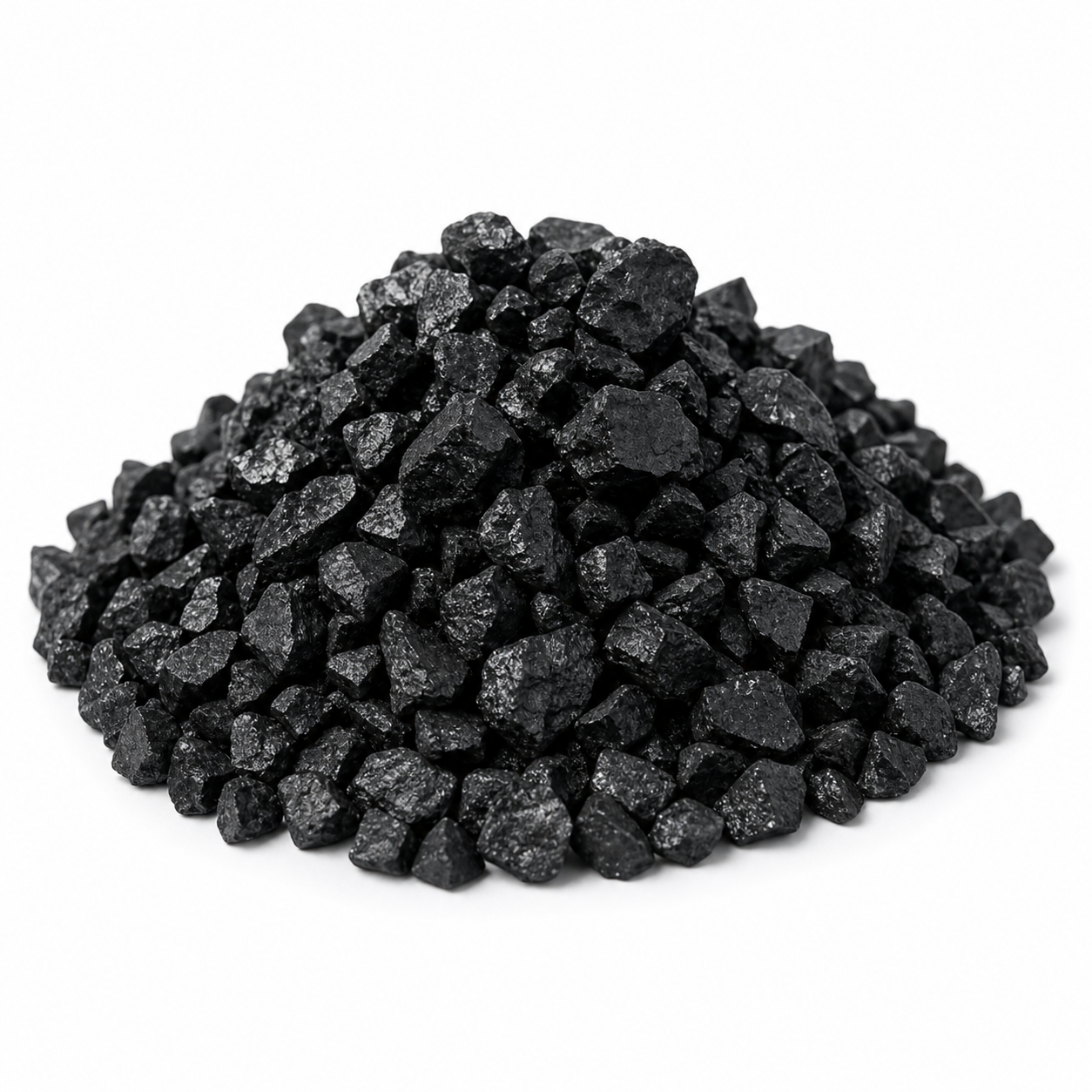
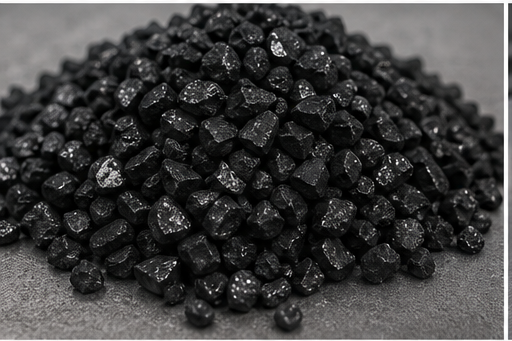
Ask the manufacturer to connect product recommendations to the application. For example, coconut shell activated carbon may be reviewed for drinking water and gold recovery. columnar activated carbon may be reviewed for gas-phase adsorption and VOC control. powdered activated carbon may support dosing applications where rapid adsorption is required.
Review production and screening control
Activated carbon performance depends on raw material, carbonization, activation, crushing, screening, washing or post-treatment when applicable, and final packaging. Buyers should ask how the manufacturer controls particle size distribution, dust, moisture, and mixed material risk. Screening control is especially important for fixed-bed systems because out-of-range fines can increase pressure drop and out-of-range large particles can reduce adsorption rate.
A factory should be able to explain its production flow and practical inspection points. The YRD factory capability page shows the type of production, packaging, and warehouse information that B2B buyers should request before approving a supplier.
Ask for batch-level quality documentation
Many buyers receive a product brochure but never ask for batch documentation. A brochure is useful for pre-selection, while a certificate of analysis is used for batch confirmation. Depending on the product, ask for iodine value, methylene blue value, ash, moisture, hardness, bulk density, particle size, pH, and other agreed indicators. The exact list should match the application and order specification.
Do not treat every index as equally important. A water plant may prioritize clean handling and stable adsorption. A gold recovery buyer may focus on hardness and particle size. A VOC system may need low dust and suitable pellet diameter. The manufacturer should help buyers understand which indicators matter for the use case. See quality control for batch review expectations.
Compare technical communication speed
Technical support is part of manufacturer evaluation. When buyers send water data, target contaminants, gas composition, flow rate, or current media specifications, the manufacturer should respond with practical grade options and questions, not only a price. Fast but vague answers can create order risk. Slower but structured answers may be more useful when the application is sensitive.
Good communication should cover the recommended carbon form, particle size range, typical specification range, sample plan, packaging, and lead time. It should also explain what cannot be guaranteed without testing. This is especially important for wastewater, VOC, and food-related projects where process conditions vary widely.
Check packaging and export readiness
Activated carbon is often sold in 25 kg bags, jumbo bags, or palletized export packages. Buyers should confirm bag material, inner liner, pallet requirements, label content, batch numbers, container loading, and documentation before shipment. A manufacturer that treats packaging as an afterthought may create problems for distributors and end users.
For long-distance shipping, also confirm moisture protection and handling instructions. If the material is dusty or fragile, ask whether the factory can provide lower-dust handling or suitable screening. Packaging requirements should be written into the purchase confirmation, not left for later discussion.
Use samples correctly
A sample is not only a sales item. It should represent the intended grade and specification range. Buyers should label each sample clearly, record the batch or internal grade, and test it under conditions close to the real process. For replacement projects, compare against the current media and document pressure drop, breakthrough behavior, adsorption result, and handling differences.
After sample approval, confirm whether the bulk order will match the same specification. Ask for the agreed index range and batch COA before loading. This reduces the risk of approving one material and receiving another.
Internal links for product evaluation
YRD organizes procurement information by product and application. Review activated carbon product types first, then compare relevant applications such as industrial water treatment, wastewater treatment, VOC treatment, and food and beverage purification. This structure helps buyers send clearer RFQs and receive more accurate recommendations.
Request a manufacturer quote
Before requesting price, prepare the application, target specification, particle size, quantity, packaging, destination port, and any certificate or documentation requirement. YRD can review the request and recommend a practical activated carbon grade for testing or quotation. Send the details through the contact page for factory support.