Bulk Activated Carbon Buyers Guide 2026
Bulk activated carbon procurement in 2026 is increasingly focused on stable quality, practical specification control, and reliable factory communication. Buyers want more than a catalog price. They need a grade that fits the application, clear documentation, predictable packaging, and a supplier that can support samples and repeat orders.
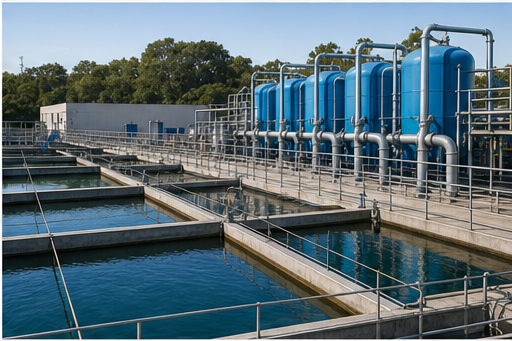
This guide summarizes the key checks for bulk activated carbon buyers planning water treatment, wastewater polishing, air purification, VOC control, food purification, or gold recovery projects.
Build the purchase around the application
Bulk buyers should start by defining the treatment problem. Drinking water projects may focus on taste, odor, chlorine by-products, and organic polishing. Industrial water projects may focus on process stability and reuse. Wastewater projects may focus on COD, color, odor, or trace organics. Gas and VOC projects may focus on solvent vapors, odor, and pressure drop. Food and beverage projects may require additional compliance review. Gold recovery projects may focus on hardness and adsorption behavior.
Review YRD applications before comparing products. This helps prevent the common mistake of buying a general activated carbon grade for a specialized process.
Understand the main product routes
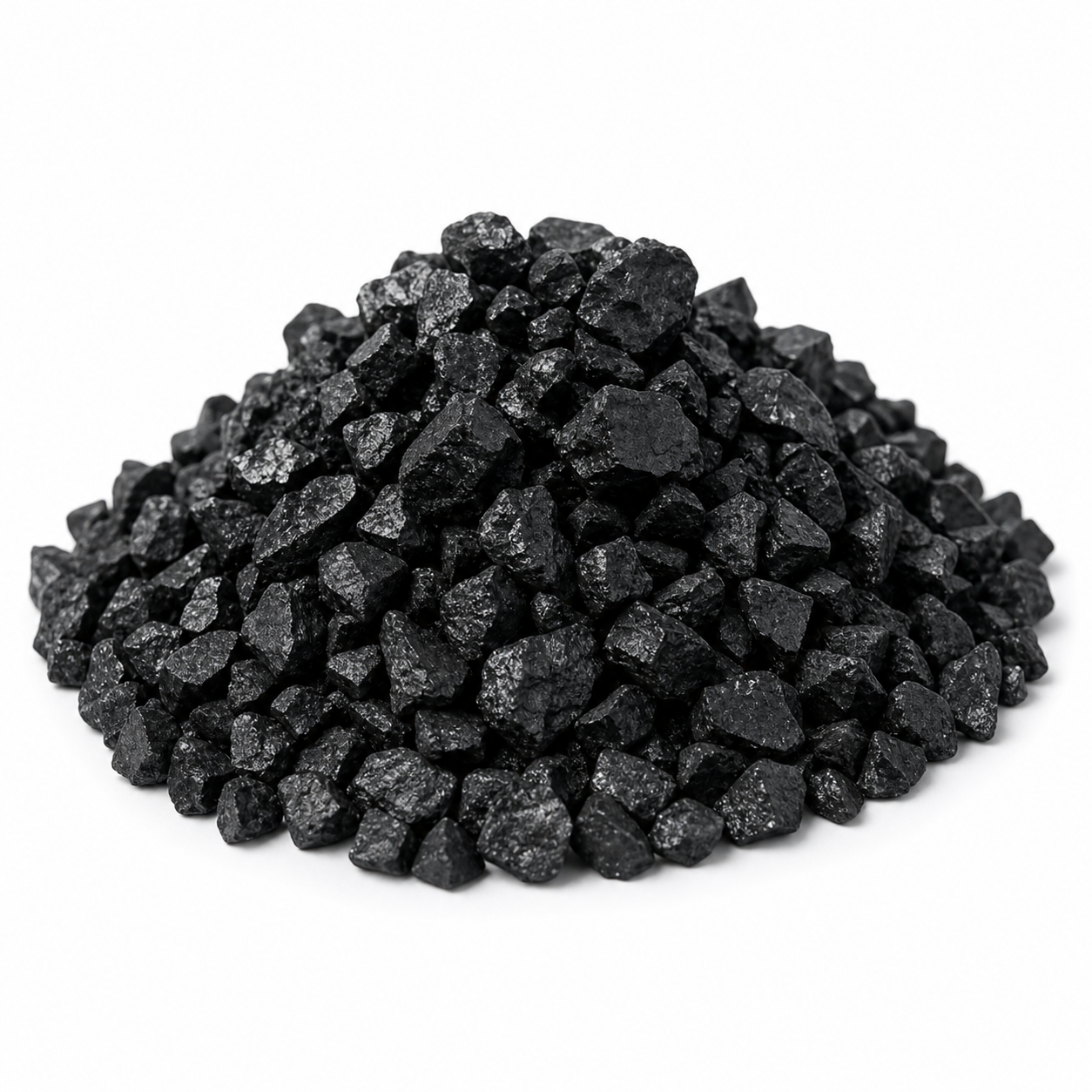
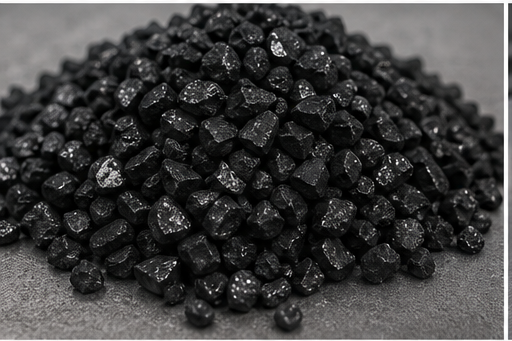
Bulk activated carbon can be produced and supplied in several forms. Granular activated carbon is widely used for fixed-bed systems. Powdered activated carbon supports dosing and rapid contact. Columnar activated carbon is commonly reviewed for gas-phase systems. Coconut shell activated carbon may be selected where hardness, low ash, and micropore adsorption are important. Coal-based activated carbon can support cost-effective industrial purification.
The correct route depends on treatment target, equipment design, service life expectation, and budget. Ask the factory to explain why the recommended type fits your application.
Set a realistic specification range
A specification should control quality without creating unnecessary cost. Common parameters include iodine value, methylene blue value, ash, moisture, hardness, particle size distribution, bulk density, pH, and volatile matter when relevant. Some buyers also ask for application-specific tests or third-party review.
In 2026, buyers should pay special attention to batch consistency. Ask whether the quoted material is stock or production-to-order, how the batch will be identified, and when the COA will be provided. The quality control page outlines the type of batch-controlled approach buyers should request.
Compare suppliers by support, not only price
A bulk order price can hide important differences. One supplier may include better screening, lower dust, stronger packaging, clearer documents, or faster technical response. Another may quote a lower price with a broad specification range and limited support. Buyers should compare total procurement risk, not only unit cost.
Ask each supplier to provide product recommendation logic, typical specification, sample availability, packaging options, lead time, and document support. If the supplier cannot explain the application fit, the quote should be treated as incomplete.
Plan samples and approval steps
Samples are still important for bulk purchasing. A sample should be connected to the grade proposed for bulk supply. For water or wastewater, testing should reflect contact time, flow, pH, and target contaminants. For gas or VOC, temperature, humidity, concentration, and bed design matter. For gold recovery, mechanical strength and particle size stability should be considered.
After sample approval, create a written order specification. Include the grade, particle size, key indicators, packaging, label, and shipment documentation. This reduces disagreement after production or loading.
Confirm packaging early
Packaging is a major part of bulk order success. Buyers may need 25 kg bags, jumbo bags, palletized packing, inner liners, export marks, or custom labels. Container loading quantity and warehouse handling should be discussed before payment. If a distributor is reselling the material, label and pallet consistency can affect customer confidence.
Ask for packaging photos, bag dimensions, and pallet configuration. Confirm whether the supplier can support the destination market’s logistics requirements. YRD provides factory and packing information through the factory capability section.
Prepare for repeat orders
A successful bulk purchase should create a repeatable procurement route. Keep records of sample results, COA, packaging photos, shipment date, batch number, and operating feedback. If the first shipment performs well, use the same specification and update only where the process requires improvement.
For distributors, repeatability is especially important because downstream customers expect the same grade and packaging. For end users, repeatability reduces the risk of process changes and emergency replacements.
Send a complete 2026 RFQ
Your RFQ should include application, target contaminant, product type preference, particle size, specification range, quantity, destination, packaging, sample request, and timeline. If you need help selecting a grade, send the process details to YRD through the contact page. The factory team can recommend a practical starting point and discuss sample or bulk quotation.